Athletic Greens is a popular health brand that sells a green powder supplement called AG1 touted by health and fitness influencers like Joe Rogan and Andrew Huberman. The brand describes their product as "comprehensive nutrition and gut health support in one scoop."
But does Athletic Greens contain research-backed ingredients for improving health? Does it contain any unhealthy ingredients? What was our honest experience after trying it for a month? And does it cause side effects?
In this article we'll answer all of these questions and more, as we analyze the ingredients in Athletic Greens to give our take on whether or not it's actually healthy.
We'll also share our experience using AG1 for a month, discuss the risk of side effects, and compare Athletic Greens to Beyond Greens to pick our winner.
Key takeaways:
- We experienced no subjective benefits when trying it
- Contains two inactive ingredients we consider unhealthy
- We don't currently recommend AG1
Ingredient Analysis
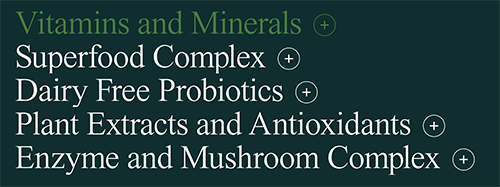
AG1 contains 75 ingredients, which makes its Nutrition Facts label too large to even share in this review.
Vitamins and minerals are included in a blend, and it may be illogical to take supplemental vitamins and minerals without evidence of deficiency in those vitamins and minerals.
A medical review published in the International Journal of Preventative Medicine analyzed clinical trials on multivitamin use and found they had no health benefit, and may slightly increase the risk of certain types of cancer.
In 2020 and 2021, another wellness shake brand called Isagenix had to recall its products from the market because the added vitamins were causing toxicity in some consumers.
Superfood Complex provides a wide range of different plant compounds.
Medical studies suggest that consuming a wide variety of plants can optimize gut health. Many of the plants in AG1's Superfood Complex have research backing for specific health benefits.
Spirulina is a good example, as it was shown in a 2017 clinical trial to have antioxidant, anti-inflammatory and gut-restoring properties.
Wheat grass powder was shown in a medical review published in the Journal of Food Science to contain various minerals, enzymes and phytochemicals that contribute positively to human health.
The study authors concluded that wheat grass is an optimal ingredient for "nourishing human health."
The probiotic strain selections made by Athletic Greens are somewhat strange to us.
Bifidobacterium bifidum strain UABb-10 is a strain without any research backing that we can identify. Strain Bb-12 seems to be much better-studied.
Lactobacillus acidophilus strain UALa-01 was clinically described as having the potential to “inhibit cell invasion by enterovirulent bacteria,” which may be a good thing but likely isn't a major consideration of green powder customers.
While AG1 contains a number of research-backed plant ingredients for optimizing health, it also contains two additive ingredients that we recommend avoiding.
Citric acid is a flavor enhancer and preservative that we recommend avoiding because it's been associated with inflammatory reactions in a small subset of individuals, as we documented in our Juice Plus reviews article.
Natural flavor is a broad term that fails to describe the specific chemical compounds used, and there are documented toxicity concerns regarding some flavoring compounds.
Overall, we consider AG1 likely to support gut health and nutritional status as the brand claims.
However, we don't currently recommend the supplement due to the additive ingredients.
We Tested Athletic Greens

As one of the authors of this article (Calloway), I wanted to purchase and try AG1 myself for 30 days to give my take on whether it's worth the money.
I didn't notice any physical or mental benefits, but this was what I expected since I already eat a healthy diet and this product is marketed like a multivitamin to ensure proper nutrition and fill any nutritional gaps.
One of my main complaints is that the powder does not mix well, as shown in the above image that was taken after shaking the bottle multiple times. It tends to clump which is annoying as a consumer.
The taste of the product was pleasant and more mild than most supplements I've tried containing natural flavors.
It was extremely annoying to have to pay for shipping on an order that cost over $100.
I would not personally purchase this product again because I avoid supplements with added vitamins and minerals and I consider the price too high. I'd rather just buy whole fruits and vegetables.
Should I Take Athletic Greens When Fasting?
Whether or not to use Athletic Greens when fasting depends on the goal of the fast.
If the goal is to promote longevity or other health benefits that involve cellular repair mechanisms, it probably doesn't make sense to use Athletic Greens during a fast.
This is because AG1 contains 50 calories, 6 grams (g) of carbohydrates and 2 g of protein per serving. This is enough to break a fast.
As documented in a medical review published in the Nature Aging journal, some of the therapeutic benefits of fasting require zero or insignificant calories to be consumed so that the body can focus on cellular repair and cell protection.
If the goal of the fast is less outcome-based and is more experience-based (some people feel lighter and more energetic while fasting), then AG1 may be a good supplement to take during the fast.
AG1 will provide substantial nutrition while being low-calorie enough to maintain the experiential benefits of fasting.
Does Athletic Greens Cause Side Effects?
Consumers are often curious about whether "superfood" supplements like Athletic Greens are likely to cause side effects.
This supplement does not appear to have been tested in any clinical trials, which makes it challenging to say for certain whether or not it causes side effects. However, we can make an educated guess based on its ingredients.
We do not consider Athletic Greens likely to cause side effects in otherwise healthy adults. The product is a blend of plants, vitamins and probiotics. The probiotic dose is relatively low, which reduces the risk of gastrointestinal side effects like gas or bloating.
When reviewing online customer reviews while researching this article, we did not come across very many claims of side effects.
Athletic Greens vs. Beyond Greens
One of the most popular green powders on the market is called Beyond Greens, so consumers are often curious about which product is a better option.
As we highlighted in our Live Conscious reviews article (on Beyond Greens' manufacturer), Beyond Greens contains natural flavor but is free of added vitamins and minerals and citric acid.
Beyond Greens costs only $39.99 while AG1 costs $79.
While we don't recommend either product, we would recommend Beyond Greens over Athletic Greens due to its superior inactive ingredient profile and its substantially lower cost.
Our Clean Green Powder Pick

Starwest Botanicals Organic Green Powder is our top overall green powder pick.
All of its ingredients are organic and nutrient-dense, and it contains ingredients like wheat grass and moringa leaf that the average consumer probably doesn't get in their diet.
This supplement is free of ingredients we consider to be unhealthy.
Athletic Greens Pros and Cons
Here's our take on the pros and cons of Athletic Greens AG1:
Pros:
- Contains wide variety of plants
- Supports optimal gut health
- Contains probiotics
- No added sugar or artificial flavors
- Environmentally-friendly packaging
- Brand recently reduced pricing
Cons:
- Contains citric acid
- Contains natural flavor
- Contains added vitamins and minerals
- Expensive
- Doesn't appear clinically tested
- Shipping fees on brand website purchases